It’s really when you think you can’t, that you can.
What if the biggest breakthrough in your life came from a place you never expected — even from knowledge you thought you already had? My journey in construction began two decades ago, shaped by hard work and survival, not by dreams. Yet it was an unexpected return to the classroom—and the humbling lessons that followed—that set my story apart.
Challenges, Opportunities, and Value
As the world slowed during the pandemic, I found myself glued to YouTube videos of master carpenters, captivated by the precision and artistry. That spark lit a fire in me. I realized that to build something truly lasting—a career, a future, a life—required skills and credentials I didn’t yet have.
Even with years of construction labour behind me, going back to school had always seemed out of reach. I was never good at school growing up. It was not my thing, so I was worried that I would not be able to do well with the courses at BCIT since I did not graduate grade 12. The Aboriginal Community Career Employment Services (ACCESS) program changed that. Their four-week foundation course helped me improved my math, English, and other essential skills, boosting my confidence for the six-month BCIT carpentry course ahead.
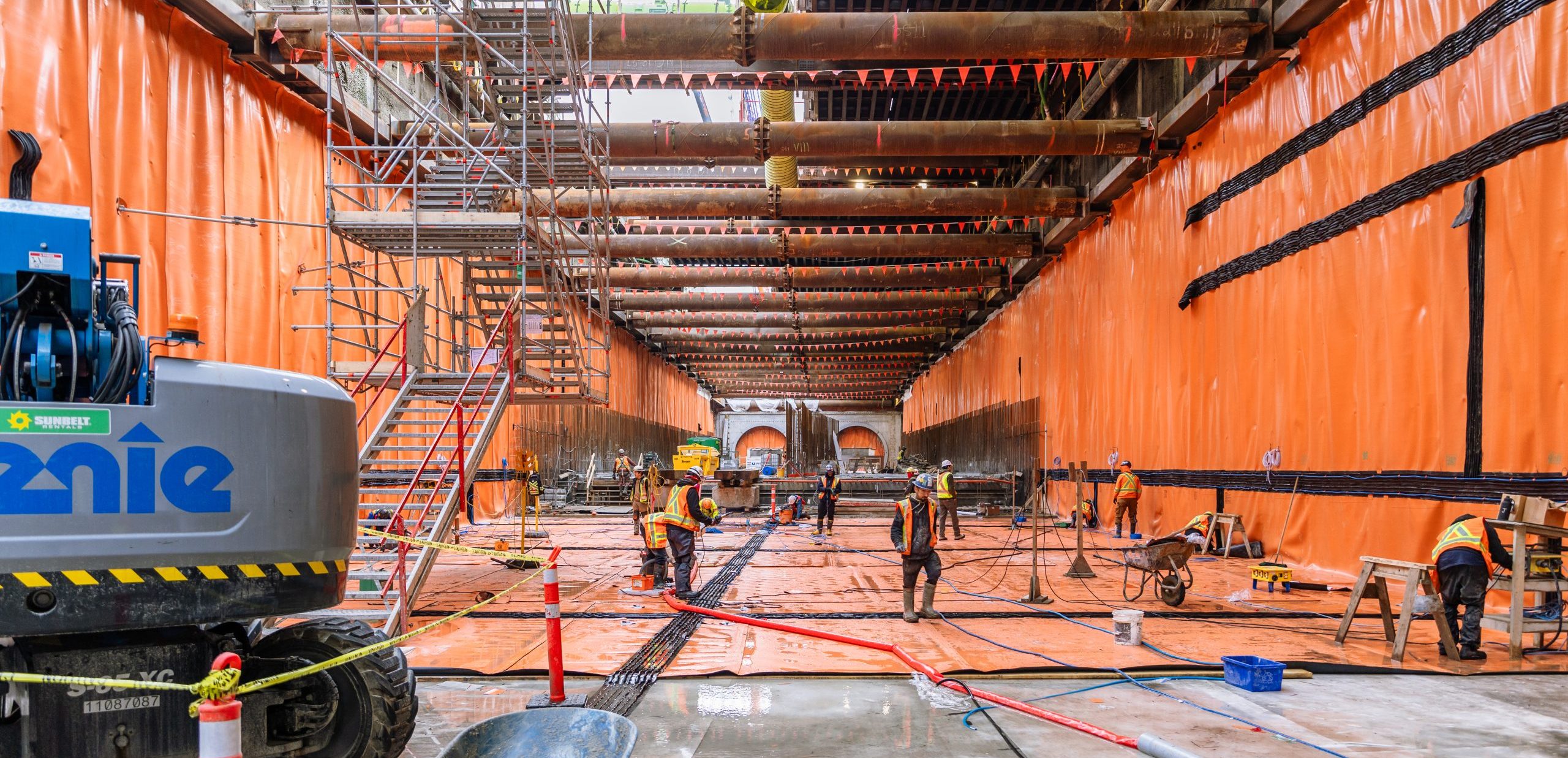
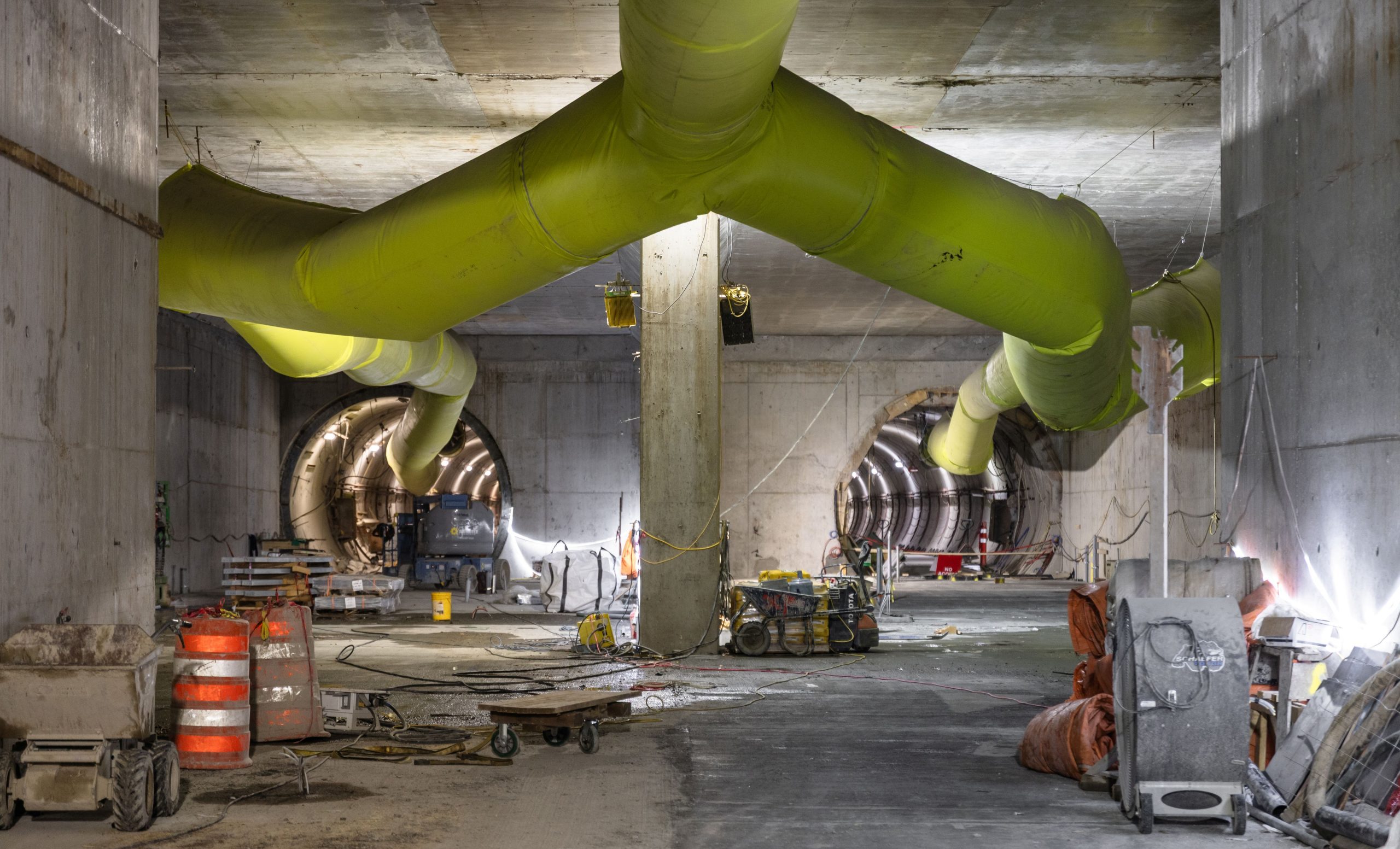
I felt a real sense of value when I crossed that stage for graduation. Not only did I finish at the top of my class (the joke’s on me for thinking I didn’t belong in school), I also was able to secure my first opportunity that same day. I went straight from BCIT to BCIB. A BCIB Indigenous relations representative who saw my potential offered me a chance to work on the Broadway Subway Project. Since that day, I have never looked back.
The support from BCIB has been instrumental in my life. They provided stability and pride that came from the seamless transitions between the jobsite and the classroom for my development and growth, paired with the fair wages and benefits.
Benefits like the light duty program makes everyone feel secure knowing that even if we get injured, we can still work without compromising our health. The peace of mind this brings is invaluable. For me, working on the Broadway Subway Project represents more than just a job. It’s a place where I feel valued and supported, surrounded by people who genuinely care about my wellbeing.
Unlearning, Learning, and Growing
My experience going back to school taught me that there is always space to grow and learn — I had to unlearn a lot to grow in carpentry school. Surprisingly, even as an Indigenous person, the Respectful Onsite Initiative (ROI) training at BCIB revealed truths about our shared history I hadn’t fully grasped before. Colonization’s impacts, the resilience of our people, and the empathy needed to move forward were implemented into every lesson. The training didn’t just educate me; it changed how my colleagues and I relate to one another. It’s reflected onsite with the positive attitudes, care, and exchanges people have.
Bigger Picture
Working for BCIB on the Broadway Subway Project is more than just a job to me. It gave me hope when I felt limited and stuck. Now, I dream of being a general foreman – something I can without a doubt reach – because of the impact and help my general forepeople provided me.
I wake up eager to contribute to something that is bigger than myself and truly meaningful to the people in my community. And I do it surrounded by people who care about each other as much as they care about productivity.
I hope I can inspire people that feel stuck or hesitant to take a chance on themselves. My experience shows that sometimes refining your craft, acquiring new knowledge, and learning new skills can open doors you never knew existed. For me, the journey isn’t only about building with my hands or gaining new knowledge. It’s also about building a future I once thought was impossible.
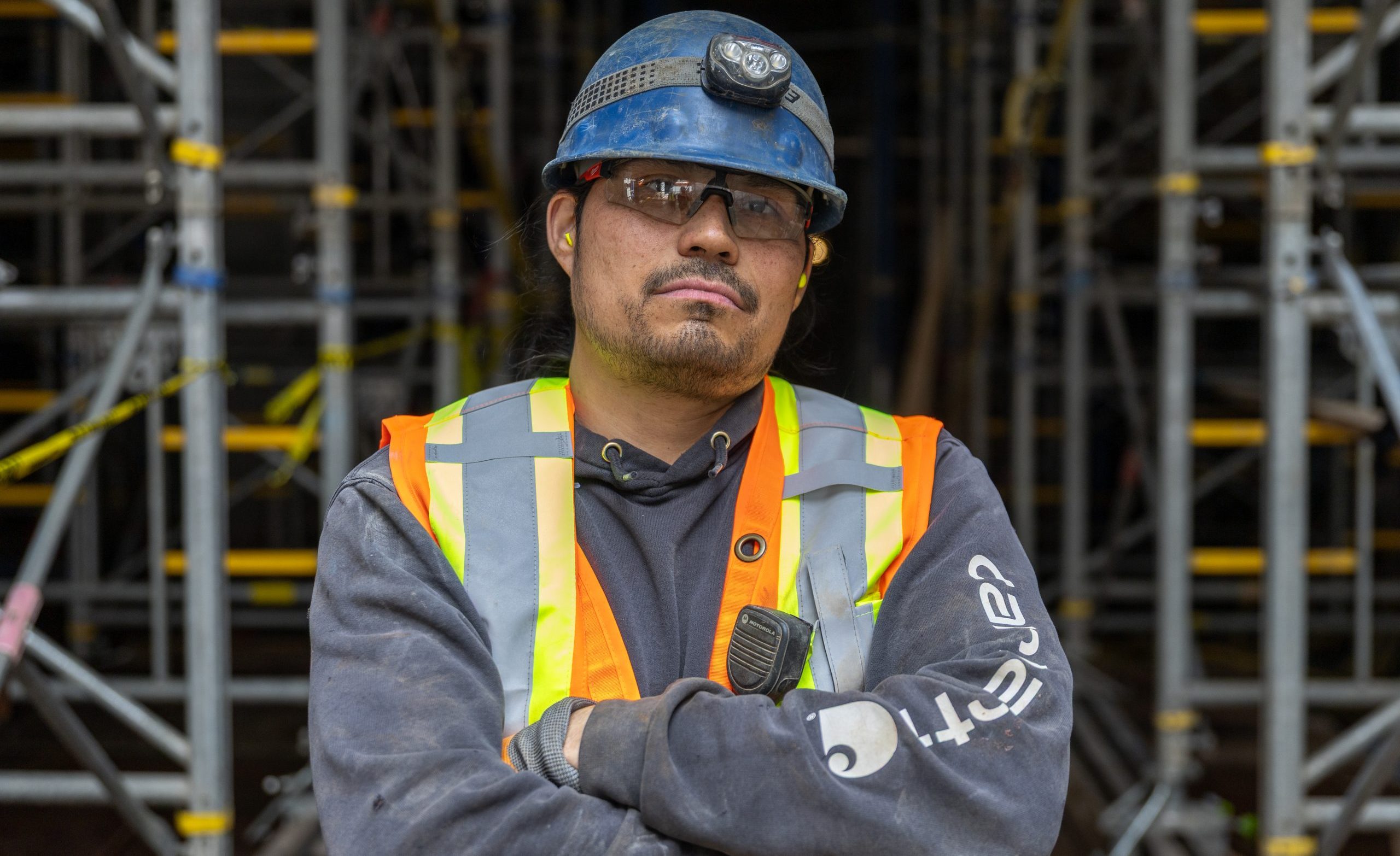
Ry is a Carpenter Journeyperson on the Broadway Subway Project, member of the Woodland Cree Nation of Northern Alberta, and an ACCESS graduate.
ACCESS offers training and employment services to urban Indigenous people. Learn more at ACCESSfutures.com